
Nha Trang: Coastline
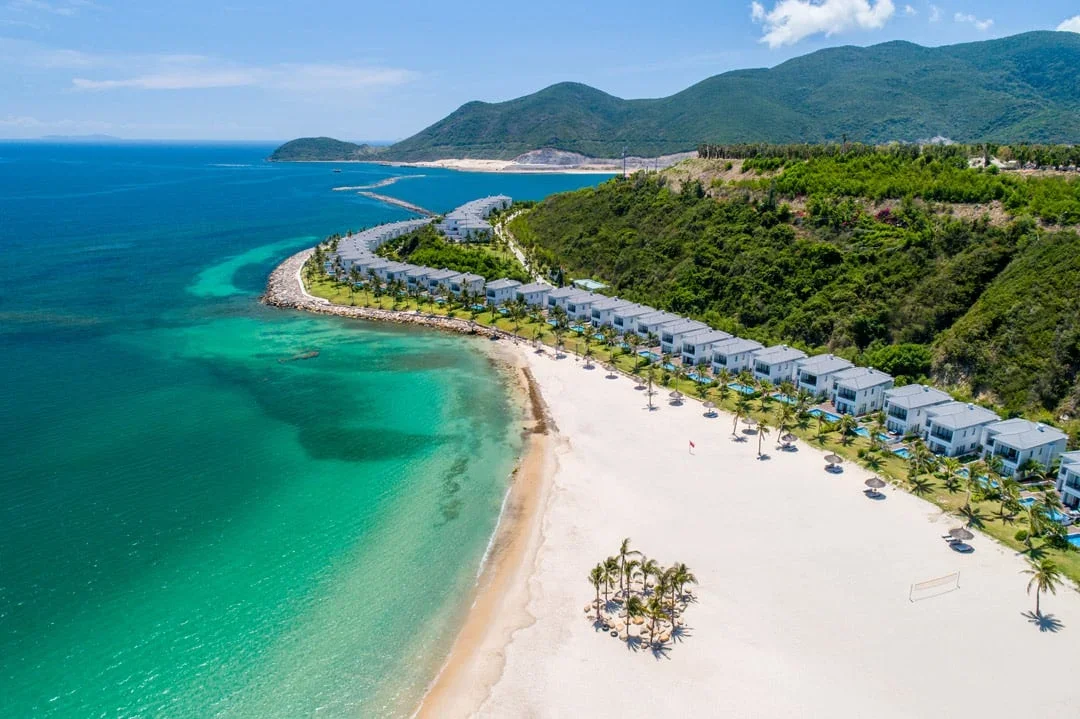
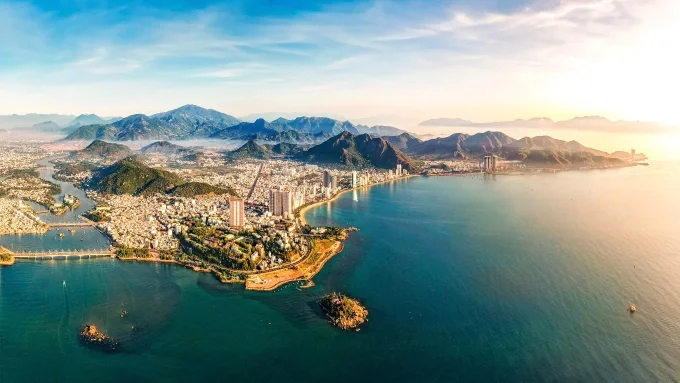
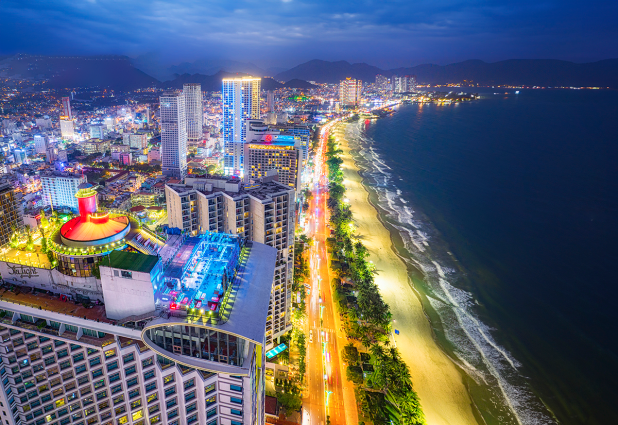
Nha Trang has a reputation. Visitors arrive expecting a beach city — sun-bleached and cheerful, good for a few days of sea and seafood before moving on. And yes, all of that is absolutely, undeniably true. The beach is six kilometres of pale, clean sand facing a South China Sea that shifts between aquamarine and deep sapphire depending on the light. The seafood is extraordinary. The sun arrives reliably and stays late. Nha Trang, on the surface, delivers exactly what it promises.
But here is the thing about Nha Trang that most itineraries never mention: the surface is just the beginning.
Beneath the beach promenade and the resort towers, beneath the café terraces and the tourist boats, there is a city of depth — one shaped by ancient Cham civilisation, by French colonial ambition, by the rhythms of one of Vietnam's most active fishing cultures, and by a natural landscape of islands, mountains, and coral reefs that ranks among the most biologically rich in the whole of Southeast Asia. Nha Trang is a destination that rewards the traveller who is willing to look past the obvious. And what it reveals, layer by layer, is nothing short of remarkable.
The Surface — And Why It's Worth Your Full Attention First
Nha Trang Beach runs in a long, graceful arc along the city's eastern edge, backed by a wide promenade of swaying palms and fronted by water that is, on a calm morning, almost surreally beautiful. This is one of the great urban beaches of Southeast Asia — not a hidden secret, not an undiscovered gem, but a genuinely world-class stretch of coastline that has earned its reputation honestly.
The morning hours belong to locals: elderly residents doing tai chi in the palm-filtered light, fishermen pulling small boats up the sand after a night at sea, vendors arranging their stalls with the unhurried confidence of people who have done this a thousand times before. By mid-morning the beach comes alive in a different way entirely — colourful and loud and joyful and full. And in the late afternoon, when the light turns soft and warm and the South China Sea deepens to the colour of old silk, it is hard to think of anywhere in Vietnam you would rather be sitting, cold drink in hand, watching the world go beautifully by.
The First Layer — Islands That Most Visitors Never Reach
Four kilometres off the coast of Nha Trang, the Hon Mun Marine Protected Area is one of the few places in Vietnam where the coral reefs have been formally protected — and the difference is immediately, startlingly visible.
Beneath the surface here, the water is clear and warm and alive in a way that redefines the word. Coral formations rise from the seafloor in every colour imaginable. Schools of fish part and regroup around you in formations of impossible geometry. Sea turtles drift through with the unhurried authority of creatures that have been here far longer than anyone watching them. For certified divers, the sites around Hon Mun and the neighbouring islands offer some of the finest underwater experiences in mainland Vietnam — visibility regularly exceeding fifteen metres, walls of hard coral dropping into blue-black depth, and marine life that seems genuinely indifferent to human presence in the best possible way.
But you don't need to dive to feel it. Even from the surface — snorkelling in the shallows around Hon Tam or Hon Mot — the reef world beneath you is vivid enough to make the rest of the afternoon feel slightly ordinary by comparison.
Hon Mun Island: The reef centrepiece of the marine protected area — for divers and snorkellers alike
Hon Tam (Silk Island): A larger, greener island with quieter beaches and a resort atmosphere far removed from the city's bustle
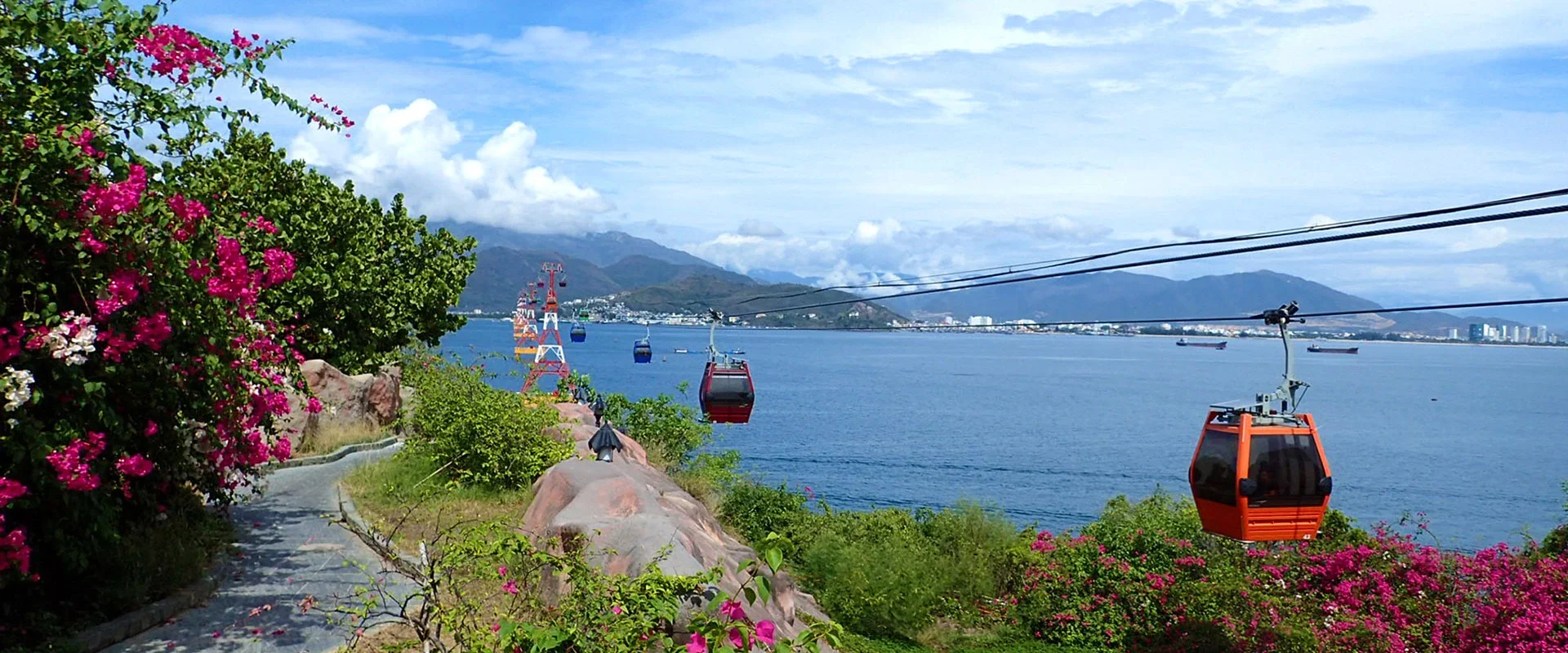
Hon Tre (Bamboo Island): Home to the extraordinary Vinpearl cable car — a 3.3km gondola crossing open sea — and a full-scale entertainment resort that is spectacular in its sheer ambition
Hon Ong (Whale Island): Further north and requiring more planning, this tiny, reef-fringed island is one of the most pristine and unspoiled escapes in the entire region — the kind of place that makes you feel as though you discovered it yourself.
The Second Layer — A Civilisation Hidden in Plain Sight
Long before Nha Trang was a beach city, this coastline was the heartland of one of Southeast Asia's most sophisticated and least-celebrated civilisations: the Cham Kingdom, which ruled much of central and southern Vietnam for more than a thousand years.
At the northern edge of the city, rising on a small hill above the Cai River, the Po Nagar Cham Towers stand as one of the finest surviving examples of Cham architecture in Vietnam. Built between the 7th and 12th centuries, the four remaining towers are still active places of worship — Vietnamese Buddhists and Cham Hindus pray here side by side, filling the air with incense and the soft sound of bells. In the early morning, before the day-trippers arrive with their cameras and commentary, there is a quality of stillness here that feels genuinely ancient — as though the century you happen to be living in is largely irrelevant to what this place has always been.
Stand at the top of the stairs, look back across the estuary to the city and the sea beyond it, and consider for a moment how many generations of people have stood in roughly this same spot, looking out at roughly the same view, understanding the same sky. It is a humbling and quietly exhilarating feeling.
Visit before 8am for near-solitude and extraordinary light on the tower stonework
Modest dress is required — temples here are active, sacred, and deserving of respect
Spend time at the small museum within the complex, which holds a collection of Cham sculpture second only to the dedicated museum in Danang
The Third Layer — The Fishermen, the Market, and the Real Nha Trang
Every morning, before most visitors have opened their eyes, Nha Trang's fishing fleet returns to the Cau Da fish market at the southern end of the bay. The scene is one of the most vivid and unscripted in all of Vietnam: boats pulling into the harbour with their night's catch, baskets of live seafood being sorted and weighed and sold in a frenzy of negotiation, cats moving purposefully between the stalls, and the entire operation conducted with the calm efficiency of a community that has run this system in exactly this way for generations.
It smells of salt and engine oil and the sea. It is loud, chaotic, utterly genuine, and completely magnificent.
This is the Nha Trang that doesn't appear in the brochures — a working port city with deep roots in the ocean and a relationship with the sea that is practical, profound, and ongoing. The seafood that lands here in the morning is on restaurant tables by lunchtime, and the freshness of it — prepared simply, with the confidence of people who know they need to do very little to make good fish taste extraordinary — is the finest argument for eating locally that you will ever encounter.
Arrive at Cau Da between 5am and 7am for the full, unfiltered experience
The stalls in the covered Dam Market in the city centre offer a slightly more accessible version of the same energy, with excellent local produce and street food alongside the seafood
For the finest formal version of what these ingredients can become, book an evening table at a waterfront restaurant along Tran Phu Street and order whatever came in that morning.
The Fourth Layer — Into the Mountains
West of Nha Trang, beyond the urban sprawl and the resort corridor, the landscape changes entirely. The flat coastal plain gives way to forested hills and then to the foothills of the Central Highlands — a region of waterfalls, hot springs, flower farms, and villages that see almost no foreign visitors and carry a quietness that feels earned rather than empty.
Ba Ho Waterfalls: A forty-minute drive from the city leads to a series of three cascading pools in a jungle setting that is bracingly, gloriously real. The hike between the pools is easy to moderate, and the uppermost pool — reached by scrambling up smooth river rocks through the forest — is one of those places that makes you wonder why you spent money on a beach lounger when this was available.
Thap Ba Hot Springs: Natural mineral hot springs developed into a comfortable bathing complex at the edge of the city — the combination of mineral-rich mud baths and thermal pools is, after a day of salt water and sun, close to medically necessary.
Yang Bay Waterfall and Eco Park: Further into the hills, a series of waterfalls and natural swimming holes surrounded by jungle — wilder and less developed than Ba Ho, and correspondingly more rewarding.
What Nha Trang Teaches You
Every layer of this city offers the same quiet lesson: the things most worth having require a little more intention than the things handed to you at the front door. The beach is given freely and it is wonderful. But the reef at dawn, the Cham towers in the mist, the market at first light, the waterfall at the end of an unmarked trail — these are the things that make a destination into a memory. These are the things that turn a holiday into a story.
Best Time to Visit
January to August: The dry season along this stretch of the South China Sea coast, with the finest conditions running from February through June. Clear water, calm seas, and reliable sunshine make this the prime window for diving, island-hopping, and outdoor exploration.
September to December: The wet season, with the possibility of tropical storms particularly in October and November. The city quiets considerably, rates drop, and the surrounding countryside turns a deep, saturated green that is beautiful in its own right. Experienced travellers who don't mind occasional rain often find this season the most atmospheric.
We are delighted to assist you with your bookings and provide you with an exclusive offer that is not available online. Let us know if you have any further questions and feel free to reach out to us via E-mail at reservations@discoveredyet.com or on Instagram discoveredluxury_. Join our newsletter for more destination inspirations, and contact us at contact@discoveredyet.com for a tailor-made itinerary to explore all the wonders Vietnam has to offer.
